
In early December, Salzburg’s baroque Old Town takes on an unexpected edge. Amid festive lights, Christmas markets, and the scent of mulled wine, a far older Alpine tradition emerges: the Krampus Run, or Krampuslauf. Loud, theatrical, and rooted in centuries-old folklore, it offers a striking counterpoint to the gentle imagery of the Advent season.
For visitors interested in regional traditions beyond postcard scenes, the Krampus Run reveals a raw and fascinating side of Alpine culture.
General Information
The Krampus Run is a public folk event held annually in Salzburg during the Advent season.
- Location: Old Town Salzburg (Residenzplatz, Getreidegasse, surrounding streets)
- Time of year: Early December
- Admission: Free
- Atmosphere: Crowded, noisy, theatrical, and distinctly traditional
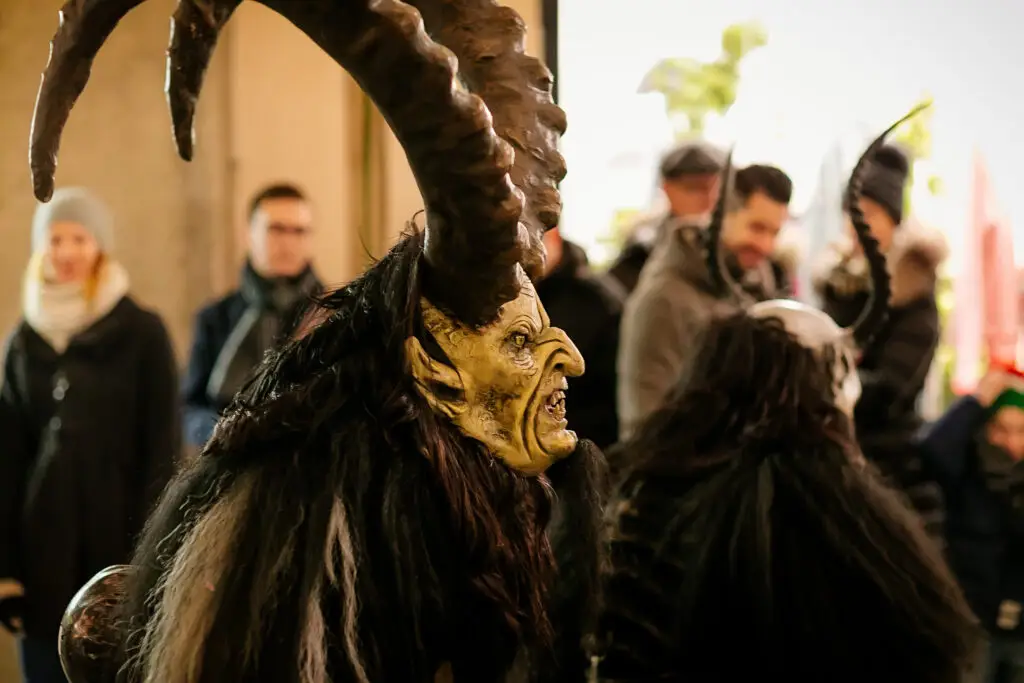
Participants—known as Krampusse—wear hand-carved wooden masks, horns, and heavy costumes, moving through the streets in organized groups.
History and Folklore
The figure of Krampus predates Christianity, originating in pagan Alpine rituals intended to ward off evil spirits during winter. With the spread of Christianity, Krampus became linked to Saint Nicholas, forming a symbolic pair: the saint rewards good behavior, while Krampus punishes the unruly.
By the 16th century, Krampus processions were already documented in the Alpine region. At times, authorities attempted to ban them for being too chaotic—but the tradition endured. Today, the Krampus Run is recognized as an important expression of regional identity and cultural heritage, particularly in Salzburg and surrounding areas.
What to Expect
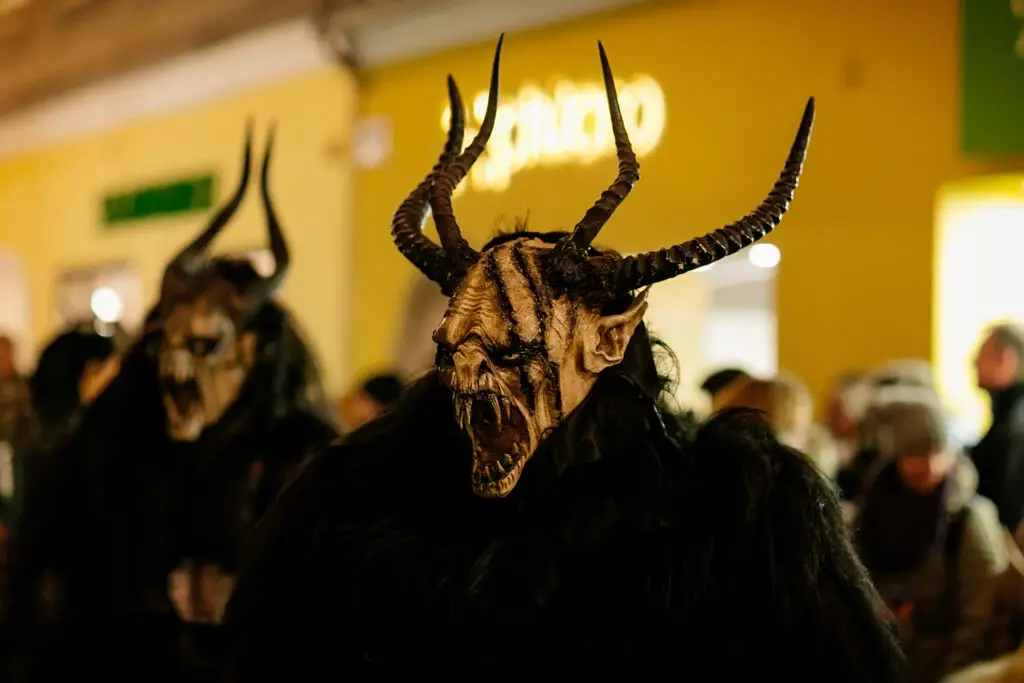
During the Krampus Run, groups of costumed performers move through the Old Town, ringing cowbells, dragging chains, and creating an intentionally intimidating spectacle. The event is energetic and immersive, drawing large crowds of locals and visitors.
While playful in spirit, the atmosphere is intense—far removed from typical Christmas pageantry—and is best approached with awareness and respect for the tradition.Sepp’s tip: Stay in the Old Town if you can. That way, you’re right in the thick of the action.
Dates and Timing
Dates vary slightly each year, but the Krampus Run typically coincides with St. Nicholas Day.
- Usual dates: Around December 5–6
- Time: Approximately 5:00 p.m. to 7:30 p.m.
- Best arrival: At least 30 minutes early to secure a good viewing spot
Exact schedules are announced closer to the event.
How to Get There
- By Train: Salzburg Hauptbahnhof is well connected to Munich, Vienna, and Innsbruck
- By Car: Approx. 1.5 hours from Munich via the A8 (Austrian motorway vignette required)
- By Plane: Salzburg Airport (W. A. Mozart) is about 20 minutes from the Old Town
The event takes place entirely within the pedestrian-friendly historic center.
Practical Tips for Visitors
- Dress warmly: Evenings are cold and often snowy
- Mind children: The event can be frightening for younger visitors
- Cash recommended: Christmas market stalls nearby sell food and drinks
- Photography: Low light and constant movement require patience and good equipment
- Keep distance: Performers interact with the crowd—observe respectfully
Combining the Krampus Run with a visit to the nearby Salzburg Christkindlmarkt offers a full picture of Advent traditions, both festive and folkloric.
Good to Know
- Crowds: Dense in central squares and narrow streets
- Noise level: High—bells, shouting, and music are part of the experience
- Accessibility: Public streets; movement may be limited during the event
- Weather: Event takes place regardless of cold or light snow
Final Thoughts
The Krampus Run in Salzburg is not a typical Christmas celebration. It is louder, darker, and far older—an authentic expression of Alpine folklore that has survived centuries of change. For travelers seeking cultural depth and memorable experiences, it offers a compelling glimpse into traditions that continue to shape regional identity.
At VisitBavaria, we see the Krampuslauf as a reminder that winter traditions in the Alps are not only about light and warmth—but also about confronting the darkness of the season with ritual, humor, and community.