
Few travel routes capture the imagination quite like Bavaria’s Romantic Road. Stretching roughly 350 kilometers from Würzburg in Franconia to Füssen at the edge of the Alps, this legendary journey connects medieval towns, rolling vineyards, river valleys, and one of Europe’s most famous castles. It is a route shaped by history, scenery, and regional culture—designed to be experienced slowly and with curiosity.
General Information
The Romantic Road (Romantische Straße) is one of Germany’s oldest and most celebrated scenic routes.
- Length: Approx. 350 km (220 miles)
- Route: Würzburg → Füssen
- Regions: Franconia, Swabia, Upper Bavaria
- Best explored by: Car, guided tour, or regional bus connections
The route is well signposted and can be followed in either direction.
When to Travel & How Long to Stay
The Romantic Road is best visited between May and October.
- Spring: Blossoming landscapes and fewer crowds
- Summer: Festivals, lively town squares, and long daylight hours
- Autumn: Golden vineyards and crisp air, particularly in Franconia
- Winter: Atmospheric Christmas markets in select towns, though not ideal for a full road trip
Ideal duration:
3 days for a highlights-focused itinerary with efficient planning
5–7 days for a relaxed and immersive journey
Key Stops Along the Romantic Road
Würzburg – The Baroque Gateway
Würzburg marks the northern start of the route. Its crowning jewel, the Würzburg Residenz (UNESCO World Heritage Site), is one of Europe’s finest Baroque palaces. The Alte Mainbrücke offers classic river views, often enjoyed with a glass of local Franconian wine.
Rothenburg ob der Tauber – Medieval Perfection
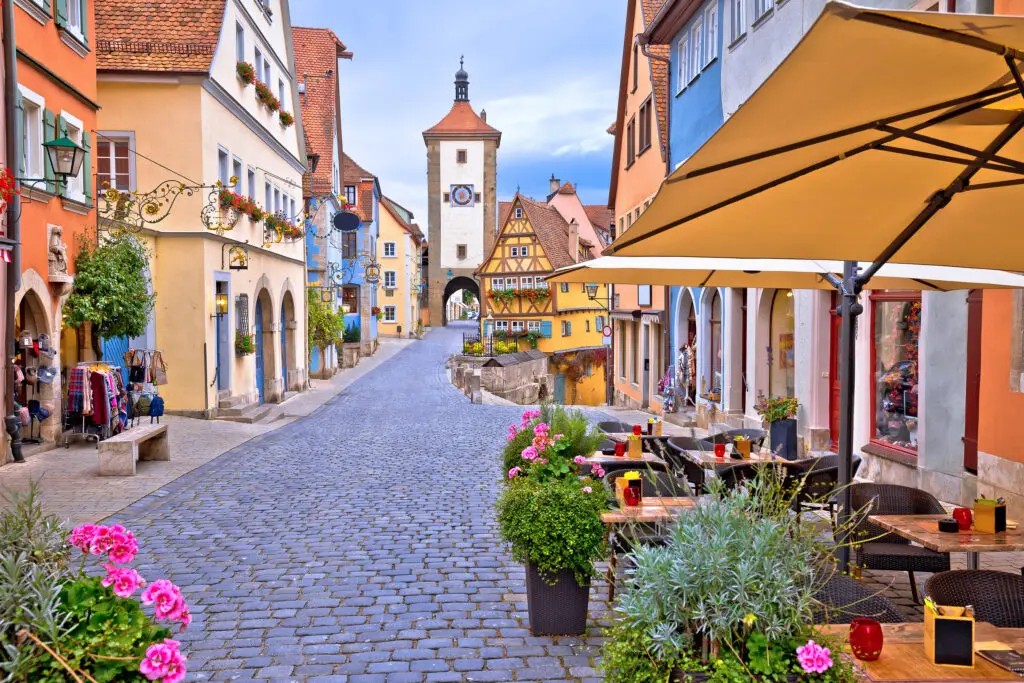
Perhaps the most iconic stop, Rothenburg is famed for its half-timbered houses, preserved town walls, and narrow cobblestone streets. Walking the city walls and exploring the Old Town provides a vivid sense of medieval life.
Dinkelsbühl – Quiet and Authentic
Often considered the Romantic Road’s hidden gem, Dinkelsbühl offers colorful façades, intact fortifications, and a calmer atmosphere. It is ideal for travelers seeking authenticity without large crowds.
Augsburg – An Imperial City
One of Germany’s oldest cities, Augsburg features Renaissance architecture and the historic Fuggerei, the world’s oldest social housing complex still in use. The city adds depth and urban history to the journey.
Landsberg am Lech – Riverside Charm
With pastel-colored buildings and a scenic river setting, Landsberg am Lech is a natural pause along the route. Its compact Old Town and relaxed atmosphere make it an excellent lunch stop.
Neuschwanstein Castle – The Alpine Finale
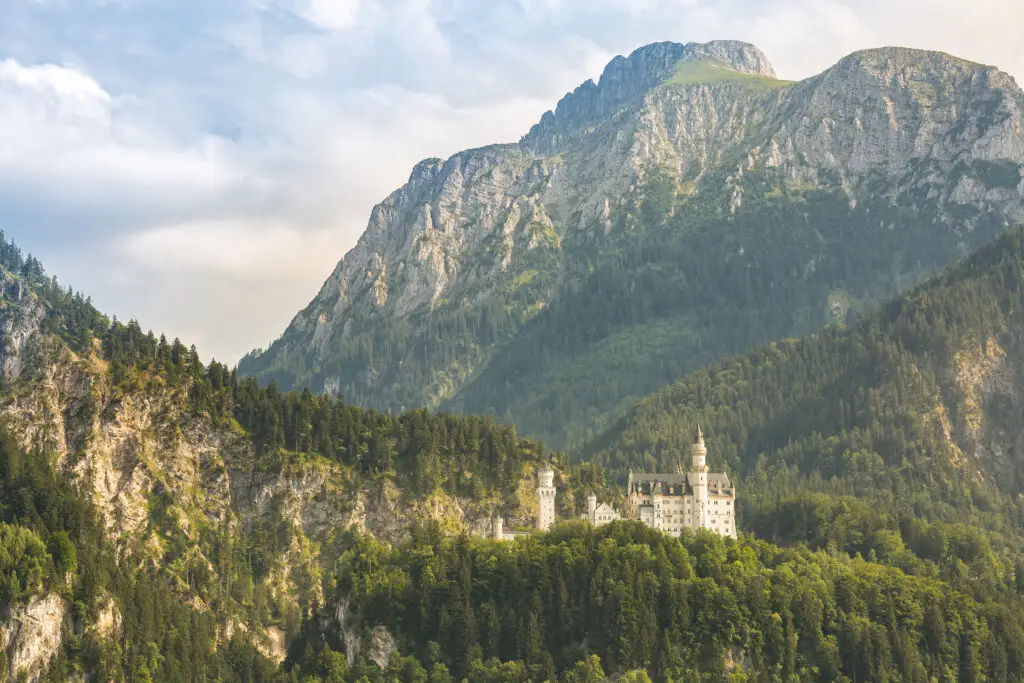
The Romantic Road concludes near Füssen with Neuschwanstein Castle, the 19th-century palace built by King Ludwig II. Set dramatically against alpine scenery, it is one of Germany’s most visited landmarks. Advance ticket reservations and early arrival are strongly recommended.
How to Travel the Romantic Road
- By car: The most flexible option, allowing stops in smaller villages
- By bus: Seasonal Romantic Road bus services connect major towns
- By guided tour: Ideal for travelers who prefer logistics and storytelling handled professionally
Each option offers a different pace, but all follow the same historic corridor.
Practical Travel Tips
- Accommodation: Traditional guesthouses and boutique hotels enhance the experience
- Cuisine: Sample regional specialties—Franconian pork dishes, Swabian Maultaschen, and Bavarian classics
- Photography: Early mornings and evenings offer the best light, especially in Rothenburg and Füssen
- Planning: Avoid rushing—short distances often hide time-worthy stops
Good to Know
Flexibility: Many towns reward unplanned stops and wandering
Signposting: Clearly marked throughout
Languages: English widely spoken in tourist centers
Crowds: Peak in summer, especially at Rothenburg and Neuschwanstein
Final Thoughts
The Romantic Road is not simply a drive—it is a journey through layers of Bavarian history, from imperial cities and medieval towns to alpine landscapes and royal dreams. Each stop adds a new chapter, shaped by local culture and centuries of tradition.
At VisitBavaria, we consider the Romantic Road an essential experience for anyone seeking Bavaria at its most storybook and authentic—best enjoyed with time, curiosity, and a sense of discovery.