
Neuschwanstein Castle is not only Bavaria’s most famous sight—it is one of the most iconic castles in the world. With more than 1.5 million visitors each year, this fairy-tale palace attracts travelers from across the globe. Dramatic alpine scenery, a dreamlike architectural vision, and the compelling story of King Ludwig II make it an unforgettable highlight of any trip to Bavaria.
That popularity, however, also means that visiting Neuschwanstein requires planning. Timing, tickets, and logistics all play a role in shaping the experience. With the right preparation, a visit can be truly exceptional.
General Information
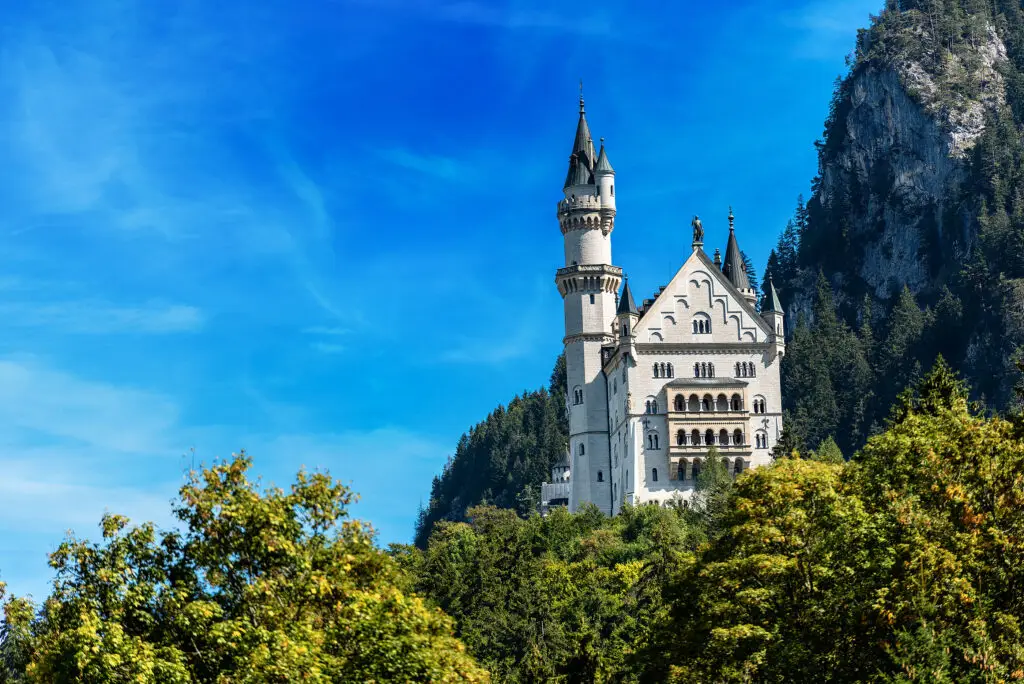
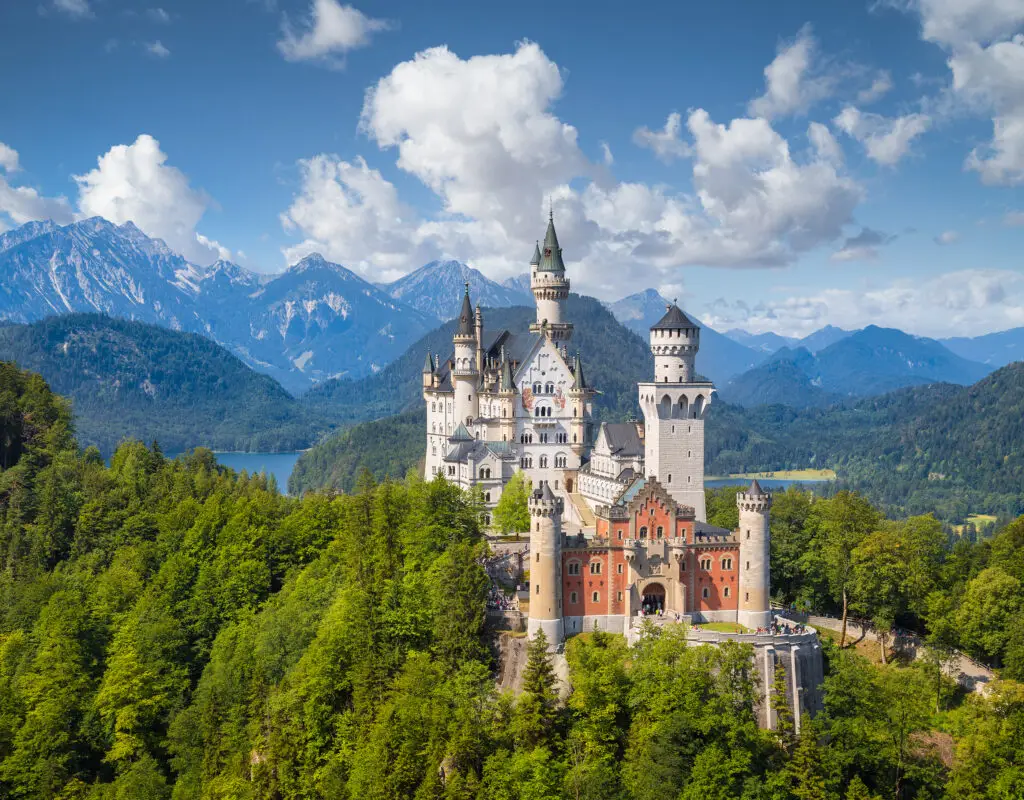
Neuschwanstein Castle rises high above the village of Hohenschwangau, near Füssen in southern Bavaria, close to the Austrian border. Perched on a rugged hill and surrounded by lakes, forests, and alpine peaks, the castle looks as though it belongs in a storybook.
The castle is owned by the Free State of Bavaria and can only be visited as part of a guided tour. Independent exploration of the interior is not permitted, making advance planning essential—especially during peak travel seasons.
A Short History of Neuschwanstein
Construction of Neuschwanstein began in 1869, commissioned by King Ludwig II of Bavaria, often referred to as the “Fairy Tale King.” Inspired by medieval legends, romantic ideals, and the operas of Richard Wagner, Ludwig envisioned a retreat far removed from court politics and modern life.
Ironically, Ludwig never saw the castle completed and lived there only briefly. In 1886, he was declared mentally unfit by his government, arrested, and shortly afterward found dead under mysterious circumstances in Lake Starnberg. Just weeks after his death, the castle was opened to the public in order to offset its enormous construction costs.
Today, Neuschwanstein stands as both a romantic fantasy and a powerful symbol of Ludwig’s imagination, isolation, and ambition.
What Makes Neuschwanstein Worth Visiting?
First, the setting. Few castles in Europe command such dramatic surroundings—mountains, forests, and lakes stretching in every direction.
Second, the interior. Lavish wall paintings, intricate woodwork, colorful mosaics, and theatrical spaces such as the Singer’s Hall and Throne Hall feel more like a stage set than a royal residence.
Finally, the story. The life of King Ludwig II—his artistic vision, eccentric personality, and tragic end—adds emotional depth that transforms Neuschwanstein from a beautiful building into a cultural landmark.
When Is the Best Time to Visit?
Neuschwanstein is a year-round destination, with each season offering a different atmosphere:
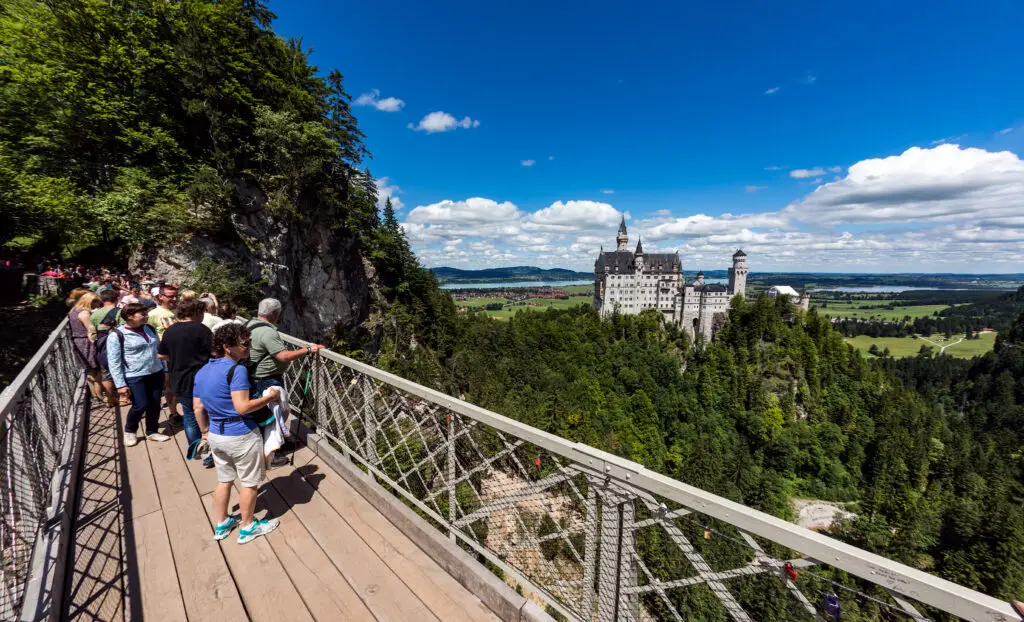
- Spring: Fewer crowds, green meadows, blooming flowers, and the reopening of Mary’s Bridge after winter.
- Summer: Lush landscapes, warm lakes, beer gardens, and long daylight hours—also the busiest season.
- Autumn: Rich fall colors, particularly from Mary’s Bridge, and a calmer alpine feel.
- Winter: Snow-covered towers and a dramatic, almost mystical setting, though Mary’s Bridge is often closed.
Best time of day:
Early morning visits are strongly recommended. Crowds increase significantly from around 10 a.m. onward. Late afternoon can also be rewarding, especially near sunset, though ticket availability is more limited.om around 10 a.m. onward. Late afternoon can also be lovely, especially close to sunset, but ticket availability is more limited.
How to Get to Neuschwanstein
By Train
- Travel from Munich or Garmisch-Partenkirchen to Füssen (approx. 2 hours).
- From Füssen, take a bus or taxi to Hohenschwangau.
- Scenic and relaxing, but less flexible in terms of timing.
By Car
- Driving offers the greatest flexibility.
- Parking in Hohenschwangau costs approximately €12–15 per day.
- In winter months, rental cars must be equipped with proper snow tires.
By Guided Tour
A guided tour remains the most convenient and stress-free option, particularly during busy seasons. Transportation, tickets, scheduling, and historical context are all handled, allowing visitors to focus entirely on the experience.torytelling are all taken care of, which makes a huge difference during busy seasons.
Ticket Prices (Approximate)
- Adults: €23
- Children and teens under 18: Free
- Audio guides: Included
- Tickets sell out frequently—often days or weeks in advance during peak season. Same-day tickets are highly unreliable.
The Best Views of Neuschwanstein
Mary’s Bridge (Marienbrücke)
The most famous viewpoint, offering a classic panoramic view of the castle. It is extremely popular and often crowded. The bridge is closed in winter and during poor weather conditions.
Along the Castle Path
Several excellent viewpoints appear along the walk up to the castle entrance, providing impressive close-up angles that are often overlooked.
From Hohenschwangau Village
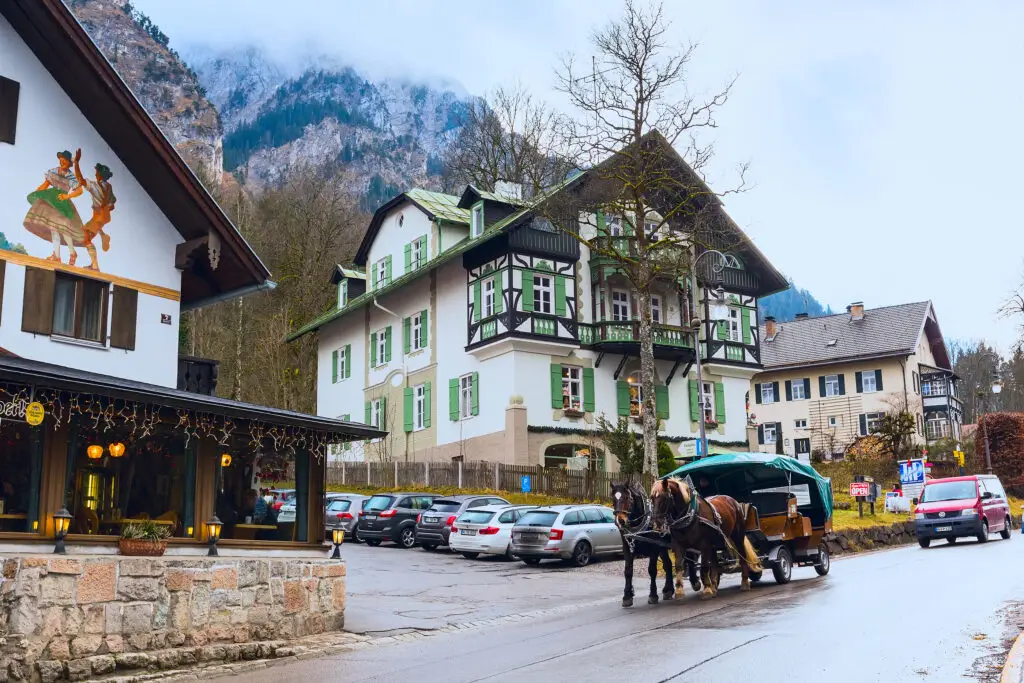
Views from below the castle allow visitors to appreciate its scale within the surrounding alpine landscape—an ideal spot to slow down and take in the setting.
Practical Tips for Visiting Neuschwanstein
- Book tickets well in advance: Entry times are fixed and strictly enforced.
- Arrive early: Be at the gate at least 20 minutes before your scheduled tour.
- Wear proper footwear: Expect uphill walking and more than 200 steep stairs inside the castle.
- Dress for the weather: Conditions change quickly in the mountains; layers are recommended year-round.
- Photography rules: Photos are not permitted inside the castle.
- Be considerate outdoors: Scenic viewpoints are busy—take photos efficiently and move on.
- Plan time beyond the castle: A lakeside walk or café stop nearby completes the experience.
Final Thoughts
Neuschwanstein Castle is far more than a beautiful landmark. It is a window into Bavaria’s romantic spirit—dramatic, imaginative, and deeply tied to the story of King Ludwig II. With thoughtful planning and realistic expectations, a visit becomes not just memorable, but truly meaningful.
At VisitBavaria, we believe Neuschwanstein is not simply a place to see—it is a place to experience.