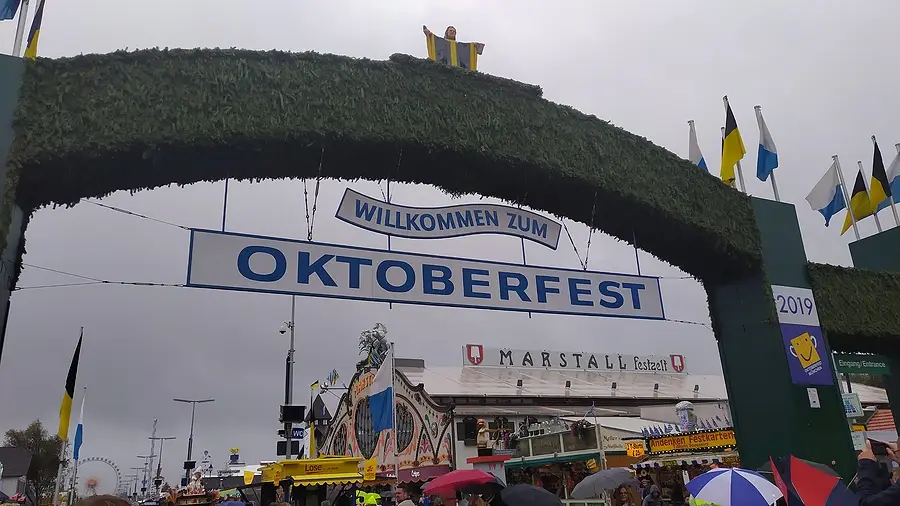
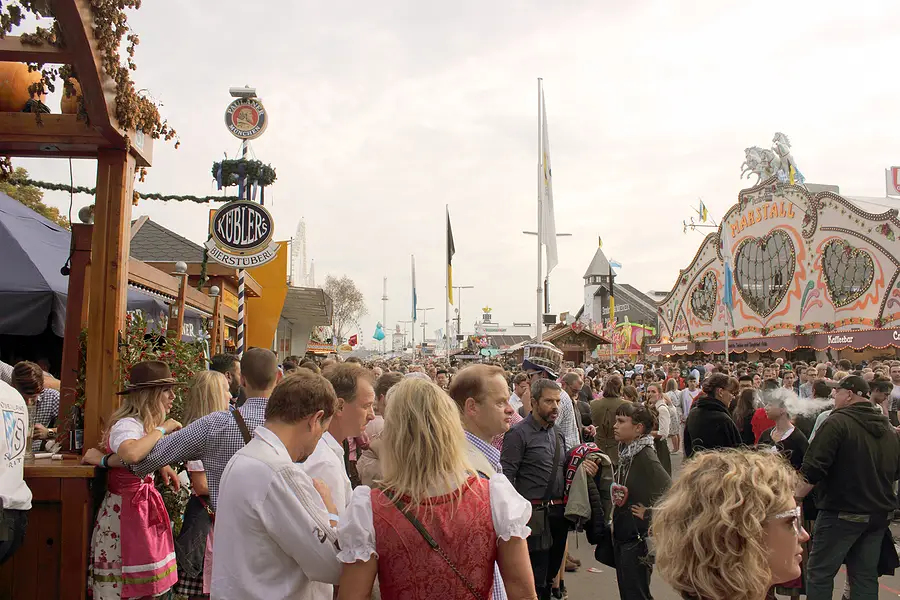
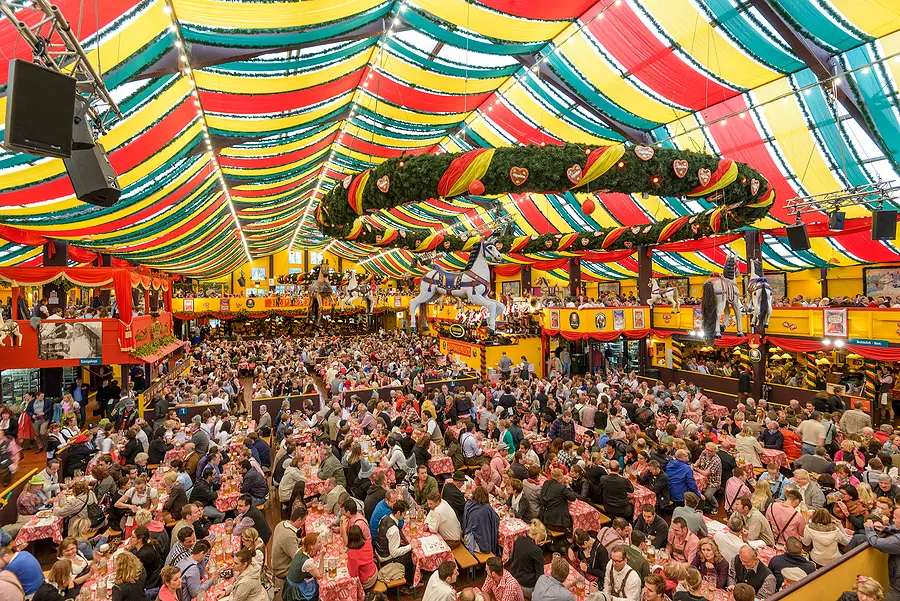
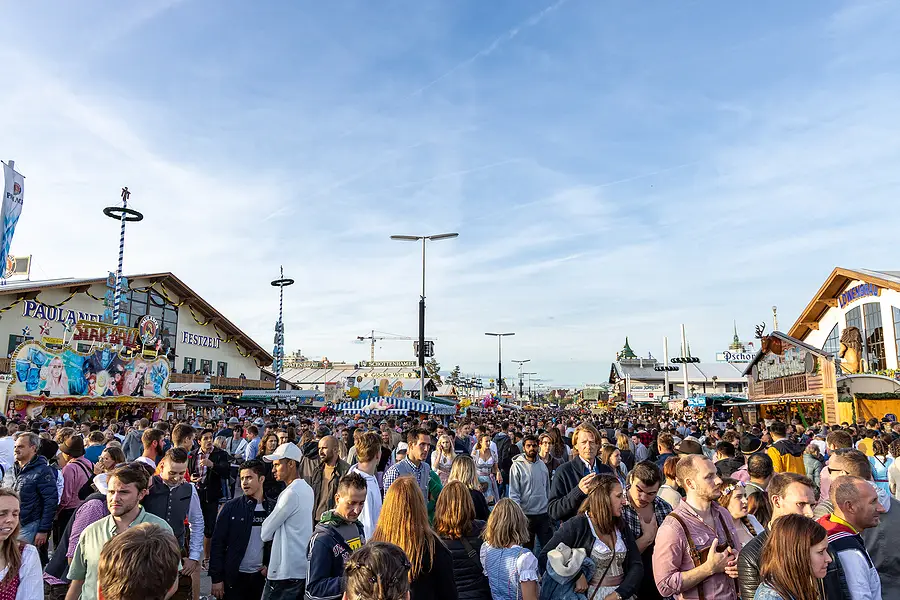
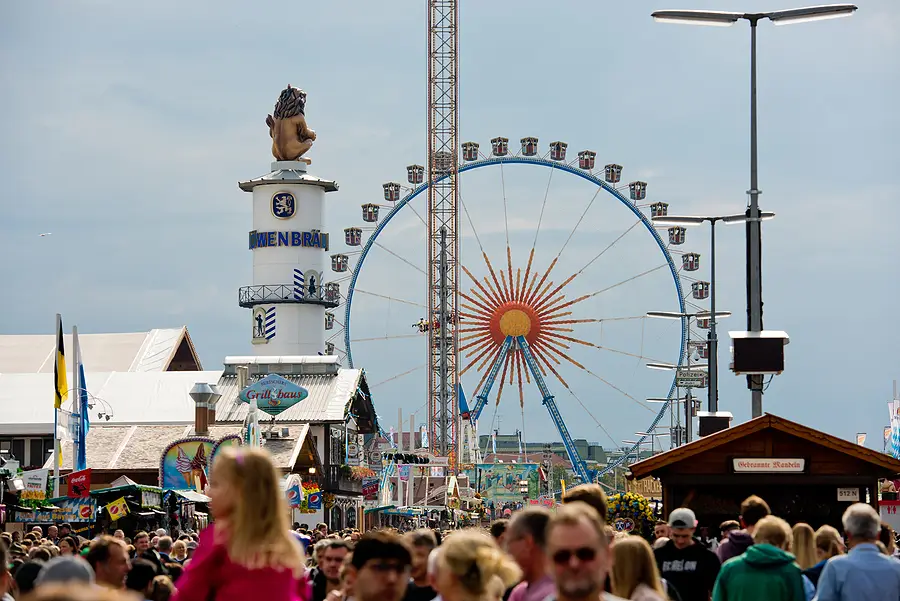
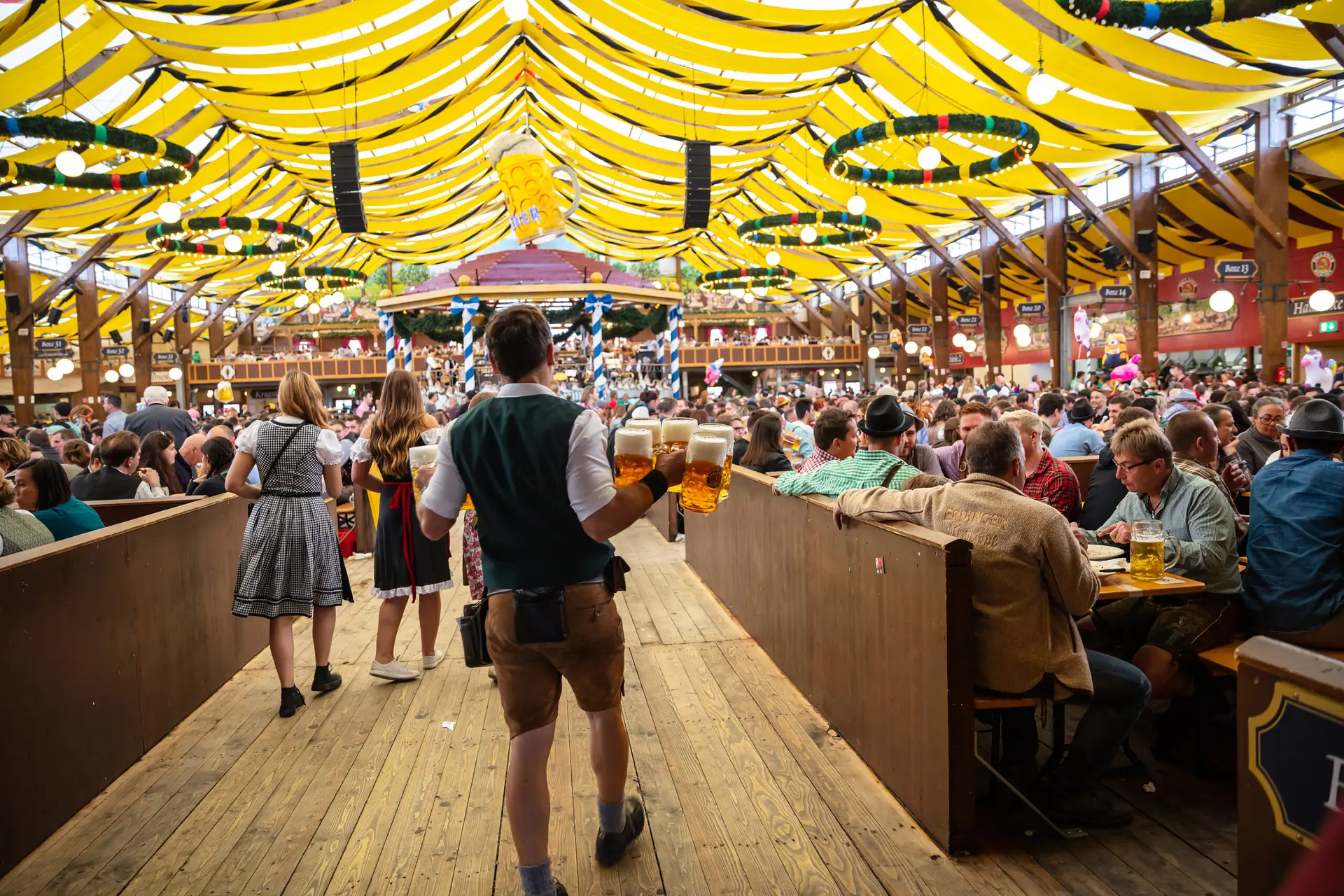
Oktoberfest is the world’s largest folk festival and one of Europe’s most famous cultural events. Held annually in Munich, it combines Bavarian tradition, historic beer culture, music, cuisine, and festive hospitality. Each year, millions of visitors from around the world gather on the Theresienwiese to experience this unique celebration.
This page provides a clear and practical overview of Oktoberfest history, the most important beer tents, key visitor information, and helpful planning tips—especially for international travelers.
Oktoberfest dates back to 1810, when Crown Prince Ludwig of Bavaria married Princess Therese of Saxony-Hildburghausen. The citizens of Munich were invited to celebrate with horse races and public festivities held on the fields outside the city, later named Theresienwiese in honor of the bride.
The celebration was so successful that it was repeated the following year, gradually evolving into an annual tradition. Over the 19th century, beer tents, agricultural shows, music, and amusement rides were added, transforming Oktoberfest into a large-scale festival. Despite wars, political changes, and interruptions, Oktoberfest has remained a symbol of Bavarian culture and hospitality for more than 200 years.
Oktoberfest takes place on the Theresienwiese, a large open area just southwest of Munich’s historic city center. The festival grounds are very well connected by public transportation, and visitors are strongly advised not to arrive by car.
Munich’s underground (U-Bahn) and suburban rail (S-Bahn) systems provide direct access to the festival area. The closest stations are Theresienwiese, Goetheplatz, Schwanthalerhöhe, and Hackerbrücke, all within a short walking distance. During the festival period, public transport runs at increased frequency, especially in the evenings.
For international visitors, Munich International Airport is approximately 40–45 minutes from the city center by S-Bahn. Long-distance trains arrive at Munich Central Station (Hauptbahnhof), which is within walking distance or one short subway stop from the festival grounds.
There is no admission ticket required to enter Oktoberfest or walk around the festival grounds. Visitors are free to explore the tents, rides, and attractions without charge.
Costs arise once inside the beer tents or amusement areas. Beer is sold exclusively in one-liter mugs, and prices typically range between €14 and €17 per Maß, depending on the year and tent. Food prices vary by tent and dish, with main meals generally priced from €15 to €30.
Reserved tables usually come with mandatory vouchers for beer and food. These packages are prepaid and redeemed inside the tent. Prices depend on the tent, time of day, and menu but offer the advantage of guaranteed seating during busy periods.
Fairground rides, games, and side attractions are paid individually and are separate from beer tent reservations.
Advance planning is essential. Accommodation, table reservations, and flights should be booked as early as possible, particularly for weekends. Travelers with flexible schedules may find weekday visits more relaxed and easier to manage.
Visitors should arrive early if they do not have a reservation, especially in the evening. Once tents reach capacity, entry may be temporarily restricted. Remaining flexible and willing to visit different tents increases the chance of finding seating.
Comfortable footwear is recommended, as the festival grounds are extensive and involve significant walking. Weather can vary from warm and sunny to cool and rainy, so layered clothing is advisable.
Moderate alcohol consumption is encouraged. Oktoberfest beer is stronger than standard beer, and drinking large quantities quickly can be overwhelming for first-time visitors. Staying hydrated and eating regularly helps maintain comfort throughout the day.
Finally, visitors should respect local customs and tent rules. Standing on benches is common, but standing on tables is not permitted. Following staff instructions ensures a safe and enjoyable experience for everyone.

Oktoberfest features six large Munich breweries, each operating one major tent, alongside several smaller specialty tents. Every tent has its own atmosphere, menu, and musical style.
The most well-known tents include:
Hofbräu-Festzelt – The most international tent, lively and energetic, popular with visitors from abroad.
Schottenhamel – Site of the official opening ceremony, where the first keg is tapped.
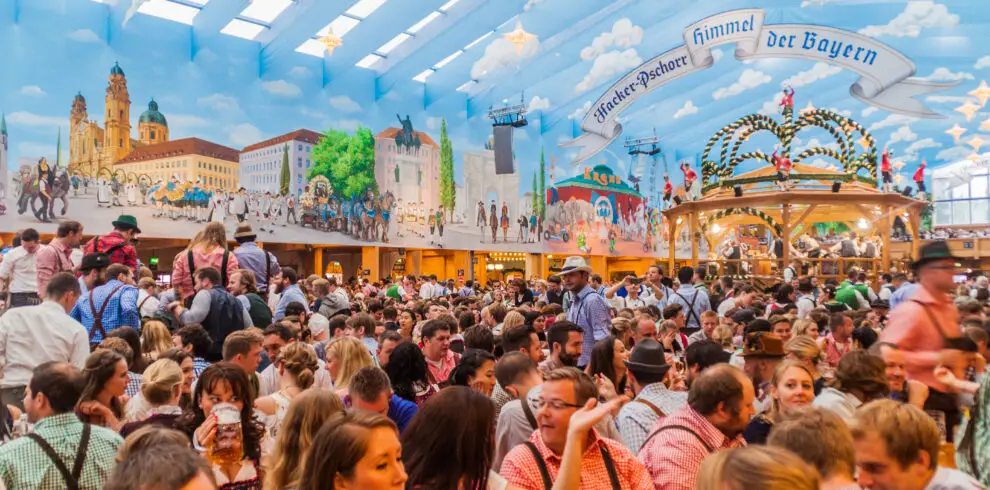
Hacker-Festzelt – Known for its decorative ceiling and festive atmosphere.
Augustiner-Festhalle – Famous for traditional service and beer poured from wooden barrels.
Paulaner Festzelt – A balanced mix of tradition and modern festival culture.
Käfer Wiesn-Schänke – Smaller, more exclusive, offering wine, champagne, and high-quality Bavarian cuisine.
Each tent serves beer exclusively brewed in Munich and officially approved for Oktoberfest, along with classic dishes such as roast chicken, sausages, pork knuckle, and pretzels.
Travelers coming from outside Germany should plan well in advance. Munich becomes extremely busy during Oktoberfest, and hotel prices rise significantly. Booking accommodation several months ahead is strongly recommended. Staying outside the city center or along suburban rail lines can offer more availability and better value.
While traditional clothing such as lederhosen and dirndls is optional, many visitors choose to wear it as part of the cultural experience. Quality attire can be purchased locally or rented.
Most tents now accept credit cards, but cash is still useful for smaller vendors, rides, and tips. Visitors should also be aware that Oktoberfest beer is stronger than regular German beer, and responsible consumption is encouraged.
Table reservations usually open early in the year, often between February and March. Reservations typically include vouchers for food and beer and are sold per table rather than per individual seat.
For first-time visitors or travelers with limited time, guided Oktoberfest tours can be a practical option. These often include reserved seating, introductions to Bavarian traditions, and assistance navigating the festival grounds.
Weekdays and daytime visits are generally less crowded than weekends. Visitors who prefer a more traditional experience may also consider the Oide Wiesn, a separate area within Oktoberfest that focuses on historic rides, music, and customs.
Oktoberfest is far more than a beer festival—it is a cultural event that reflects Bavarian history, craftsmanship, music, and community spirit. With thoughtful planning, visitors can enjoy a memorable and authentic experience that goes well beyond the beer tents.
Whether attending for a single afternoon or several days, Oktoberfest remains one of Europe’s most distinctive and celebrated traditions.
There’s nothing quite like Oktoberfest when it comes to pure Bavarian joy. The clinking of beer steins, the sound of...
There is nothing quite like the Wiesn — Munich’s world-famous Oktoberfest — when it comes to Bavarian tradition, joy, and...
Need expert travel tips and a personalized quote? Share your plans, and we’ll provide tailored recommendations and pricing for your perfect trip. Travel smarter with insider advice and hassle-free planning!
Explore our other travel packages for unique destinations, curated experiences, and seamless adventures. Whether you seek luxury, adventure, or cultural getaways, we have the perfect itinerary for you. Discover more and find your ideal trip today!
All email inquiries are answered within 48 hours
We offer secure online booking for all tours.
Copyright © 2026 Visit Bavaria. All rights reserved.