History: From Camp to Memorial
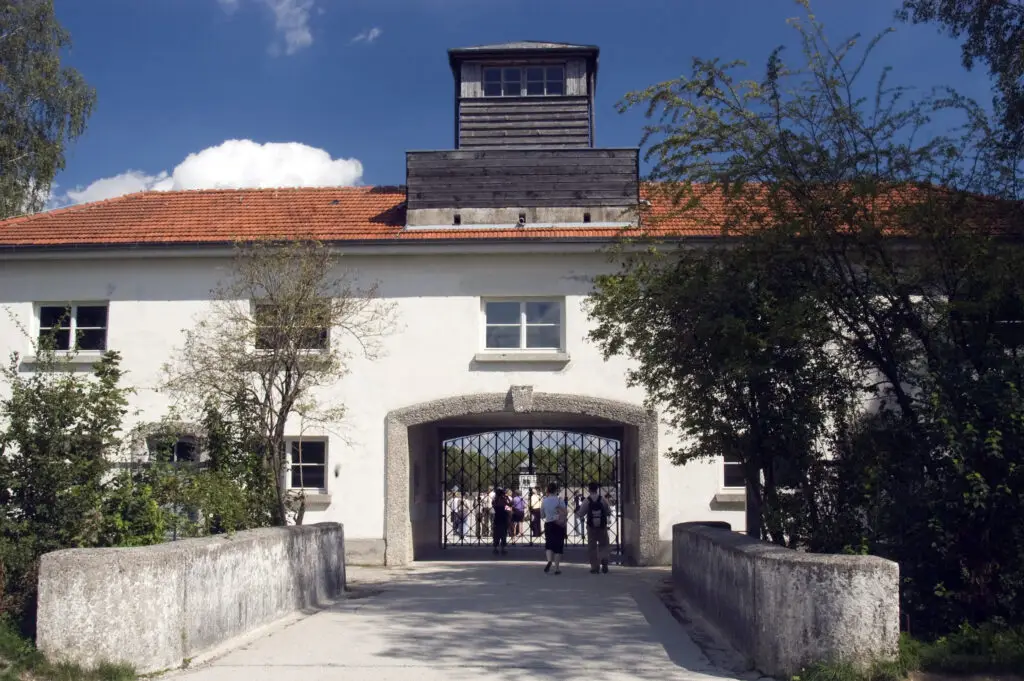
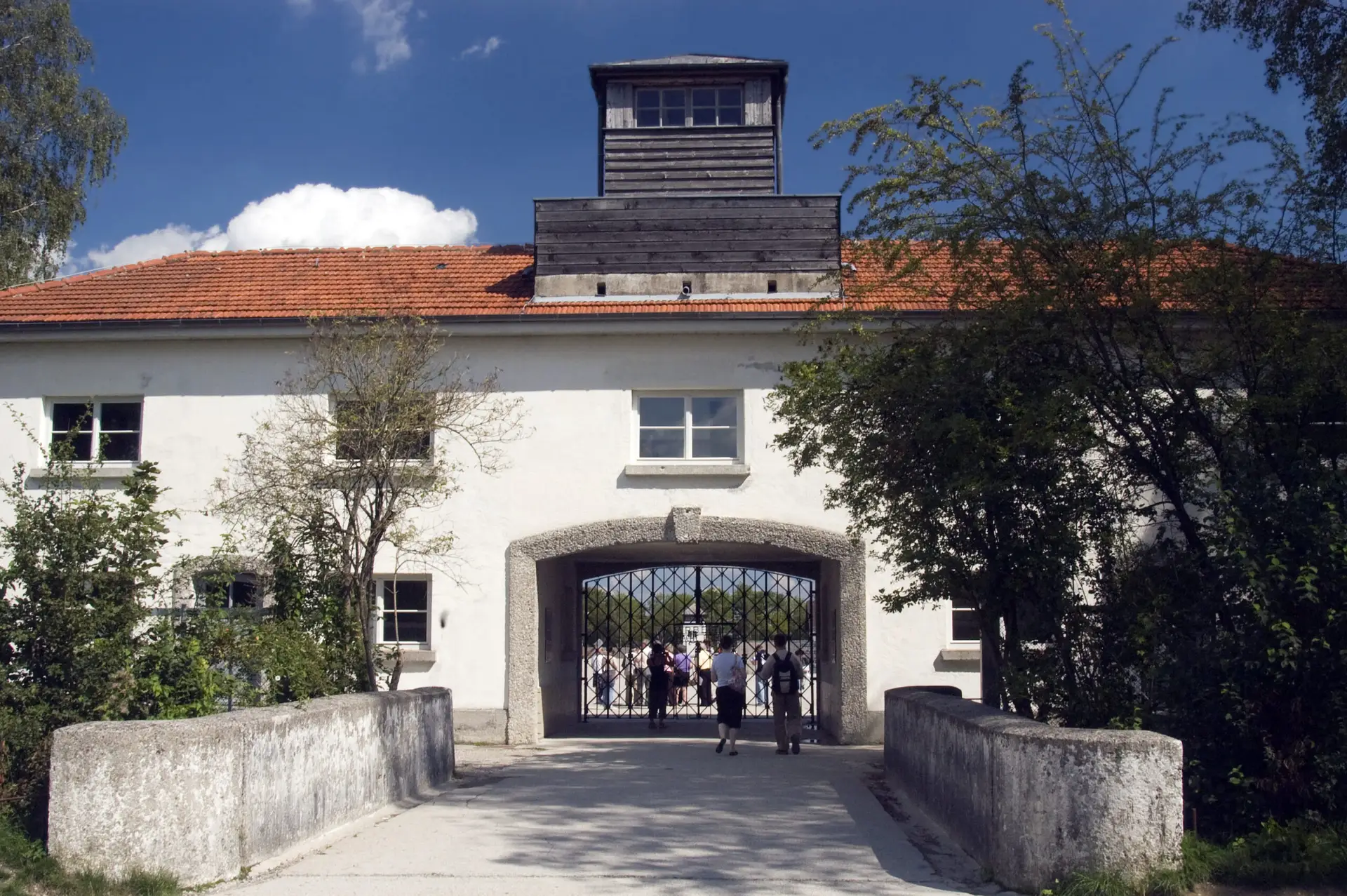
The Dachau Concentration Camp was opened in March 1933, only weeks after Adolf Hitler came to power. Initially intended to imprison political opponents, the camp soon expanded to include Jews, Roma, clergy, homosexuals, and prisoners from across occupied Europe.
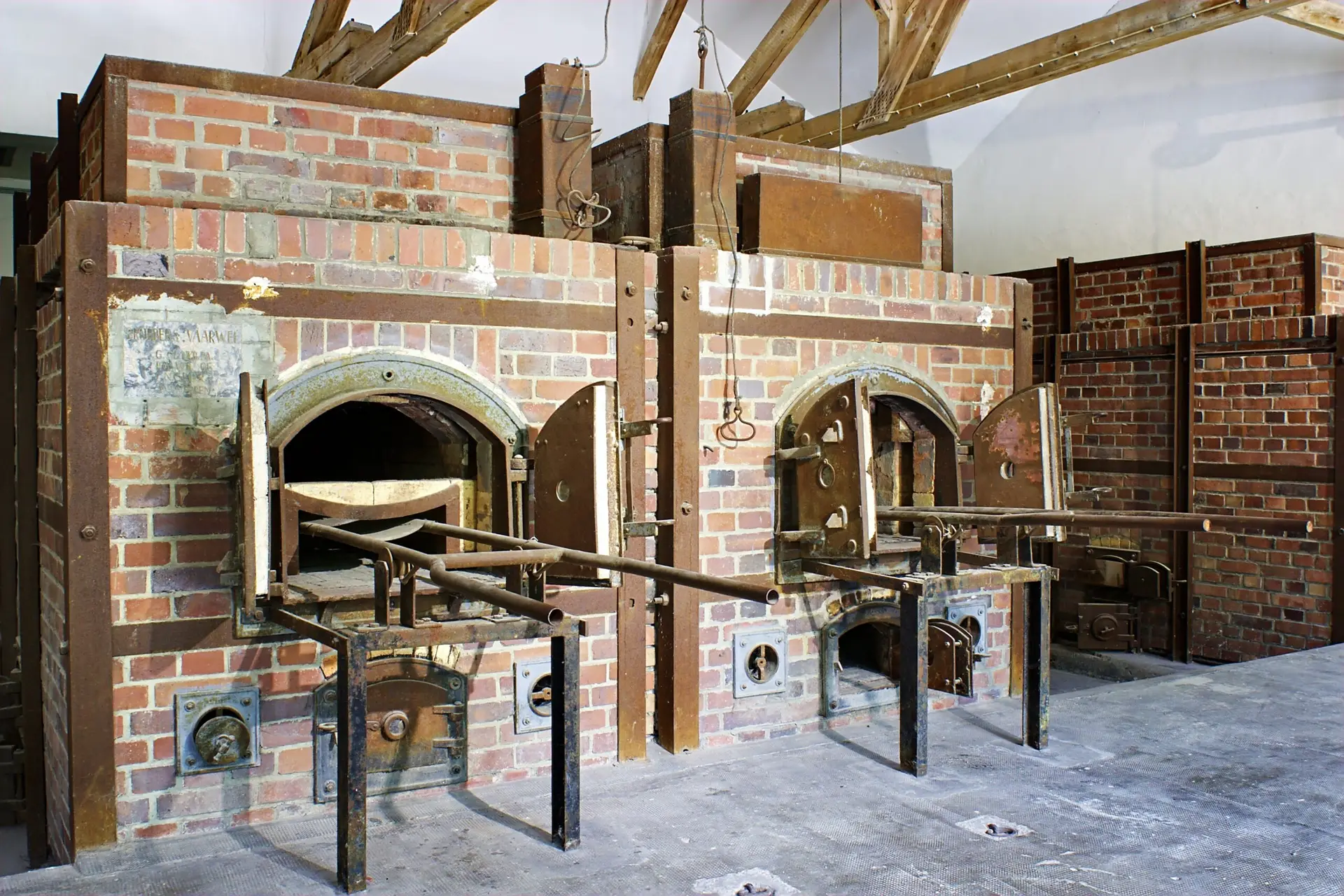
Over its twelve years of operation, more than 200,000 people were imprisoned at Dachau and its subcamps. Tens of thousands died from starvation, disease, forced labour, medical experiments, execution, and abuse.
When American forces liberated the camp on 29 April 1945, they uncovered overwhelming evidence of systematic cruelty and mass death. In the decades that followed, survivors played a crucial role in ensuring the site was preserved, leading to the establishment of the memorial in 1965.
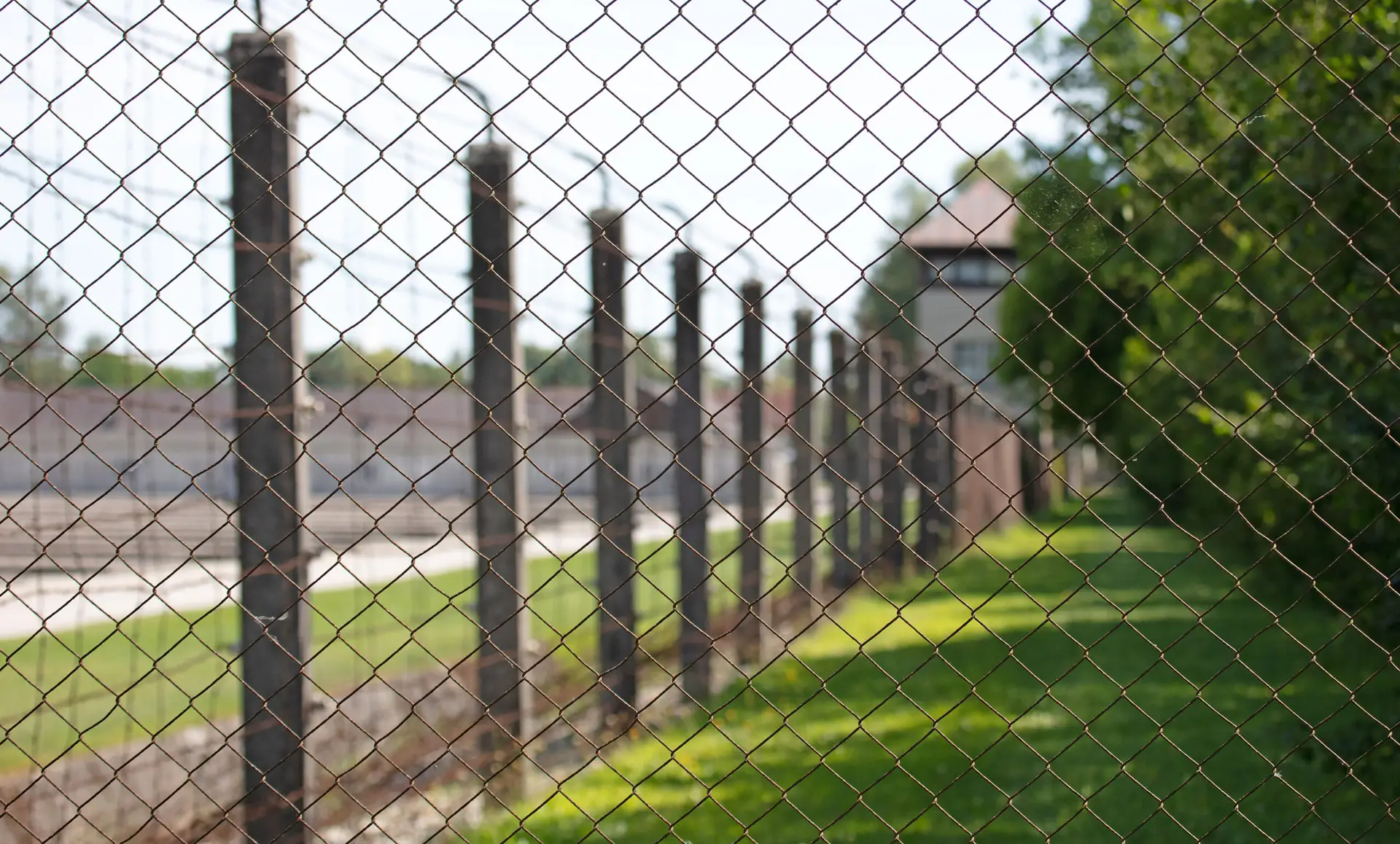
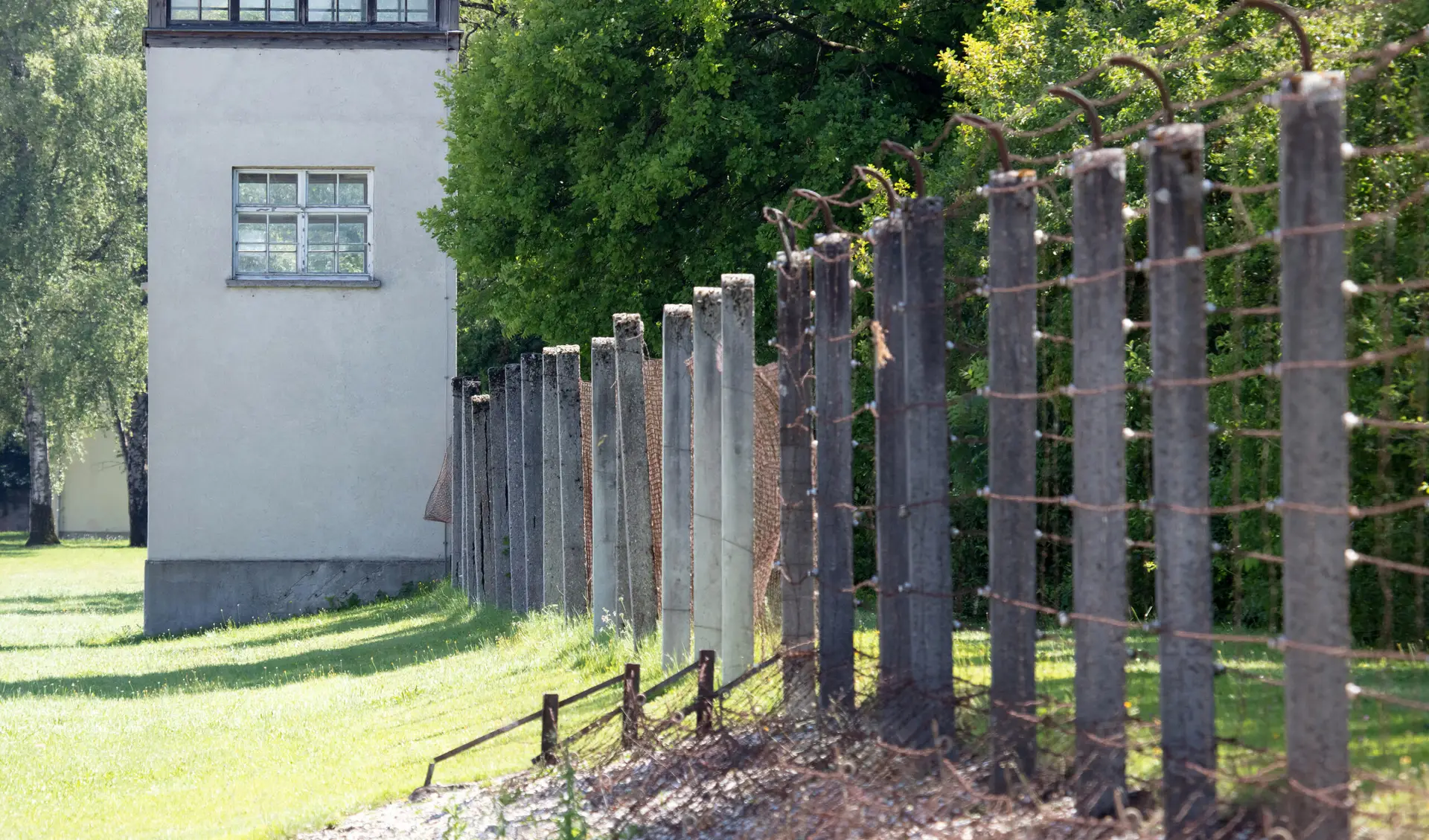
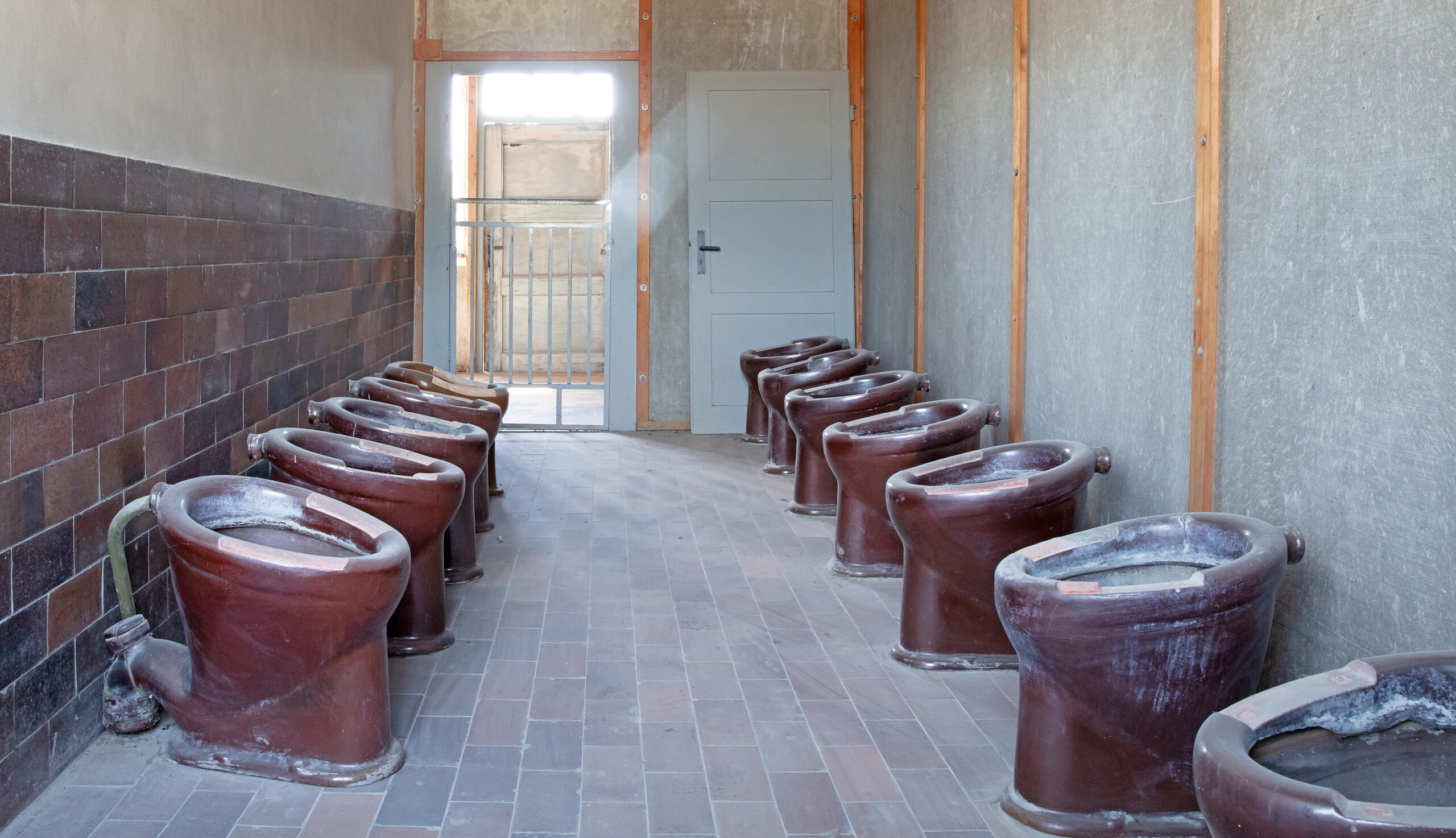
Today, original buildings, reconstructed barracks, exhibitions, and religious memorials stand on the grounds — not to shock, but to document, explain, and remember.
Getting There
The memorial site is easily accessible from Munich, making it a common half-day visit.
By Car
From Munich city centre: approx. 30 minutes
Follow signs toward Dachau and then to the memorial site
Free parking is available near the entrance
Driving is convenient, especially for early visits or combined day trips.
By Train
Take the S2 S-Bahn from Munich to Dachau station
Travel time: approx. 20 minutes
From Dachau station, continue by bus (see below)
Trains run frequently throughout the day.
By Bus
From Dachau station, take Bus 726 toward Saubachsiedlung
Exit at “KZ-Gedenkstätte” (Memorial Site)
Bus ride: approx. 10 minutes
Buses are timed to connect with arriving trains.
Tickets & Prices
Memorial site entry: Free of charge
Permanent exhibitions: Free
Audio guides: Small fee
Guided tours: Available for a fee; advance booking recommended
The free admission reflects the site’s mission of education and remembrance.
Helpful Tips for Visitors
Allow enough time: Plan at least 2–3 hours for a meaningful visit
Dress respectfully: This is a place of remembrance, not a tourist attraction
Silence & behaviour: Photography is allowed, but loud conversation is discouraged
Audio guides: Highly recommended for context and deeper understanding
A Place That Must Be Remembered
The Dachau Concentration Camp Memorial Site is not about sightseeing — it is about bearing witness. Visiting Dachau is an act of remembrance and responsibility, ensuring that the victims are not forgotten and that the lessons of history remain present, visible, and impossible to ignore.
It is one of the most important historical sites in Bavaria — and one that leaves a lasting impact on all who walk its grounds.