
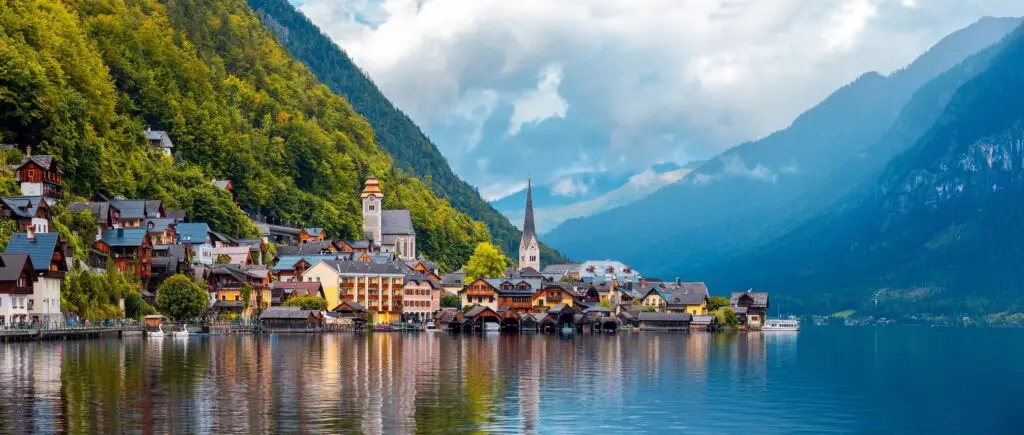
Set between the reflective waters of Lake Hallstatt and the dramatic peaks of the Dachstein Alps, the village of Hallstatt is one of Austria’s most striking destinations. Compact, historic, and surrounded by alpine scenery, it offers far more than postcard views. Hallstatt is home to one of the world’s oldest salt mines, a spectacular Skywalk viewing platform, and a cultural history that stretches back thousands of years.
Easily combined with travel through Bavaria or Salzburg, Hallstatt is a rewarding stop for travelers seeking both natural beauty and deep historical roots.
General Information
Hallstatt is a small lakeside village in Austria’s Salzkammergut region and a designated UNESCO World Heritage Site.
- Location: Upper Austria, Salzkammergut
- Setting: Lakeside village beneath the Dachstein Alps
- Known for: Salt mining history, Skywalk viewpoint, alpine scenery
- Best as: Day trip from Salzburg or overnight stay
Despite its size, Hallstatt offers several major attractions within walking distance.
A Glimpse into Hallstatt’s History
Hallstatt has been continuously inhabited for more than 7,000 years, thanks to one vital resource: salt. Often referred to as “white gold,” salt brought wealth, trade, and influence to the region long before modern borders existed.
The area’s importance was so great that the Hallstatt Culture, a key early Iron Age civilization, was named after the village. This legacy remains tangible today—especially inside the historic salt mines, where visitors can walk through tunnels carved by prehistoric miners.
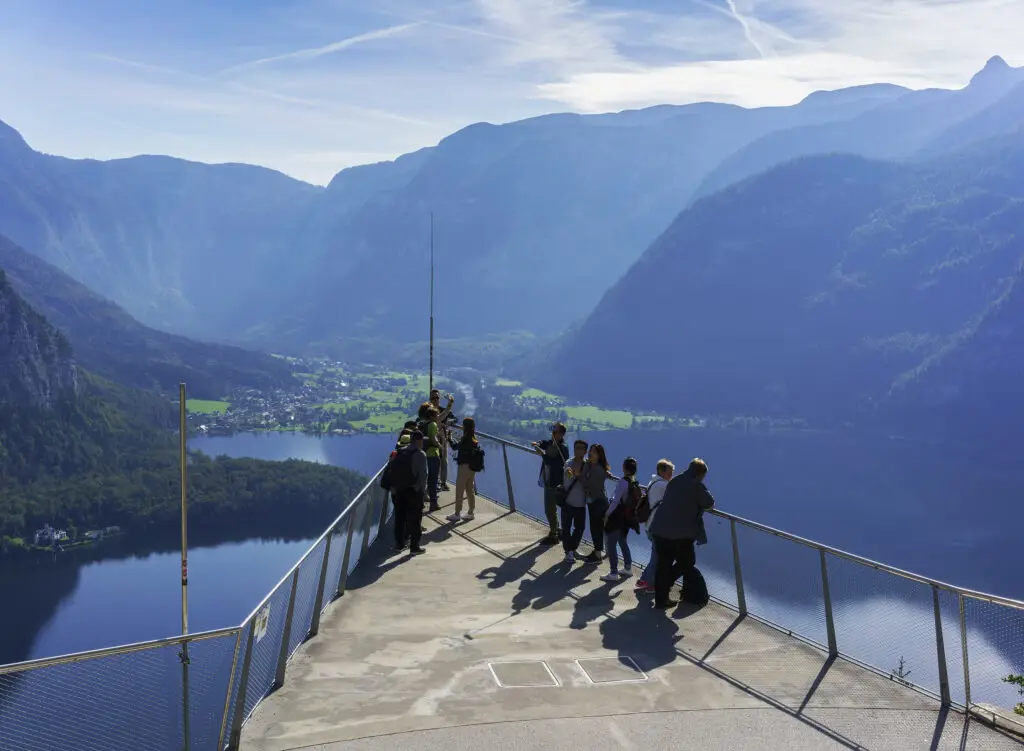
Hallstatt Skywalk – “World Heritage View”
Rising 360 meters above the village, the Hallstatt Skywalk offers one of the most dramatic viewpoints in the Alps. The platform extends out from the mountainside, providing sweeping views of the rooftops below, the lake, and the surrounding peaks.
How to Get There
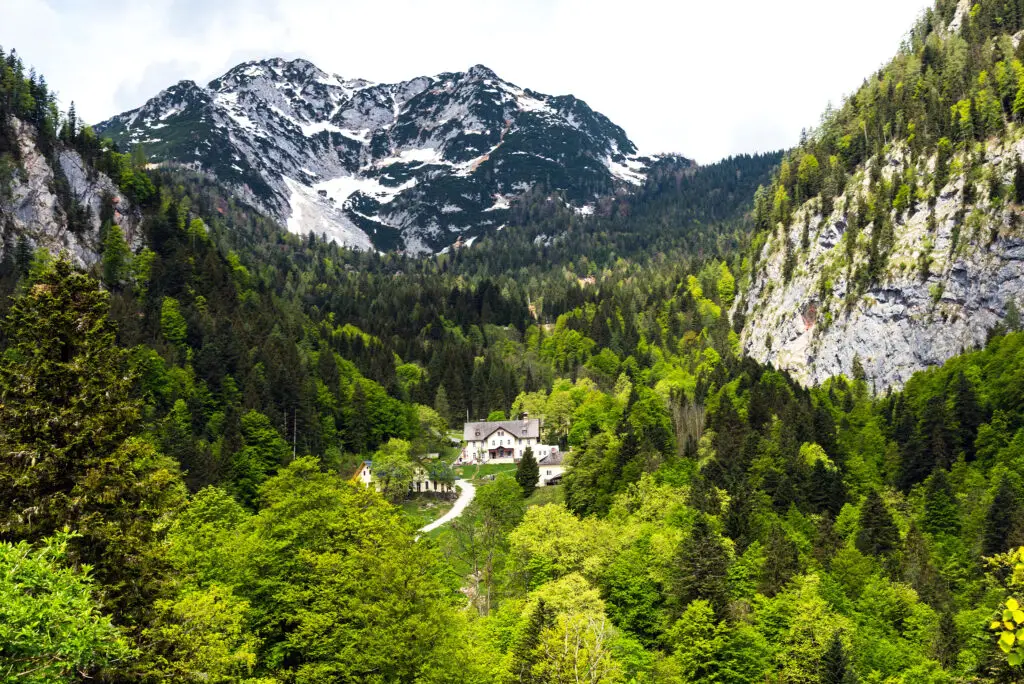
- Funicular: From the base station near the parking area
- On foot: Approx. 1-hour uphill hike
From the top station, the Skywalk is just a short walk away.
Good to Know
Ideal for photography
Best visited early morning or late afternoon
Weather-dependent visibility
Salzwelten Hallstatt – The Ancient Salt Mine
The Salzwelten Hallstatt experience takes visitors deep into the mountain, combining archaeology, history, and hands-on elements.
Highlights include:
- Prehistoric mining tunnels
- Polished wooden miner’s slides
- Underground chambers and multimedia exhibits
Approximate ticket prices (combo):
- Adults: €36 (Salt Mine + Funicular + Skywalk)
- Children: From €18 (family discounts available)
Duration: Around 90 minutes inside the mine, plus additional time for the Skywalk and funicular.
Tip: Temperatures underground remain cool year-round—sturdy shoes and a light jacket are recommended.Tip: Wear sturdy shoes and bring a light jacket — it gets chilly underground!
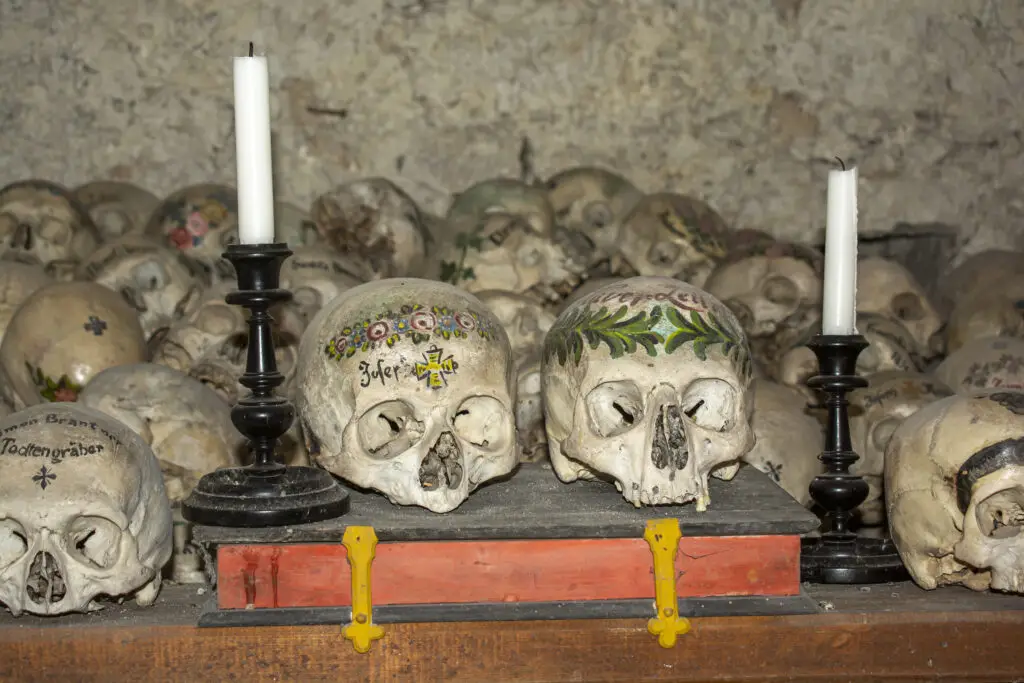
The Hallstatt Bone House (Beinhaus)
Next to the Catholic church above the village lies one of Hallstatt’s most unusual cultural sites: the Bone House, containing over 600 hand-painted skulls.
This tradition dates back to the 12th century, when limited burial space required graves to be reused. Skulls were carefully decorated with floral motifs, crosses, and inscriptions—transforming remembrance into a personal and artistic practice.
- Admission: Approx. €2–3
- Season: Typically April to October
The walk up to the churchyard also provides some of the finest panoramic views of Hallstatt and the lake.
How to Get There from Bavaria
By Car
- Approx. 2.5 hours from Munich
- Approx. 1–1.25 hours from Salzburg
Parking is limited; early arrival is recommended.
By Train and Ferry
- Train to Hallstatt Bahnhof
- Ferry across Lake Hallstatt to the village
This route is considered one of the most scenic arrivals in Austria.
Guided Day Trips
Hallstatt is also accessible via guided excursions, often including optional Skywalk and salt mine visits for a seamless experience.
Practical Tips for Visiting Hallstatt
- Best season: Spring through autumn for weather and access
- Crowds: Early mornings and evenings are quieter
- Don’t miss: The classic postcard viewpoint at the northern edge of town
- Local pause: Coffee and Austrian pastry by the lake
- What to bring: Camera, water, layers, and comfortable walking shoes
Good to Know
Shops & dining: Small, locally run establishments
Village size: Compact and walkable
Accessibility: Steep paths and steps in places
Weather: Alpine conditions can change quickly
Final Thoughts
Hallstatt is far more than a scenic village. It is a place where deep history meets dramatic nature, where visitors can stand high above the lake one moment and walk through prehistoric tunnels the next.
At VisitBavaria, we consider Hallstatt a destination that rewards curiosity and time—an alpine setting where the landscape, culture, and past come together in a truly memorable way.